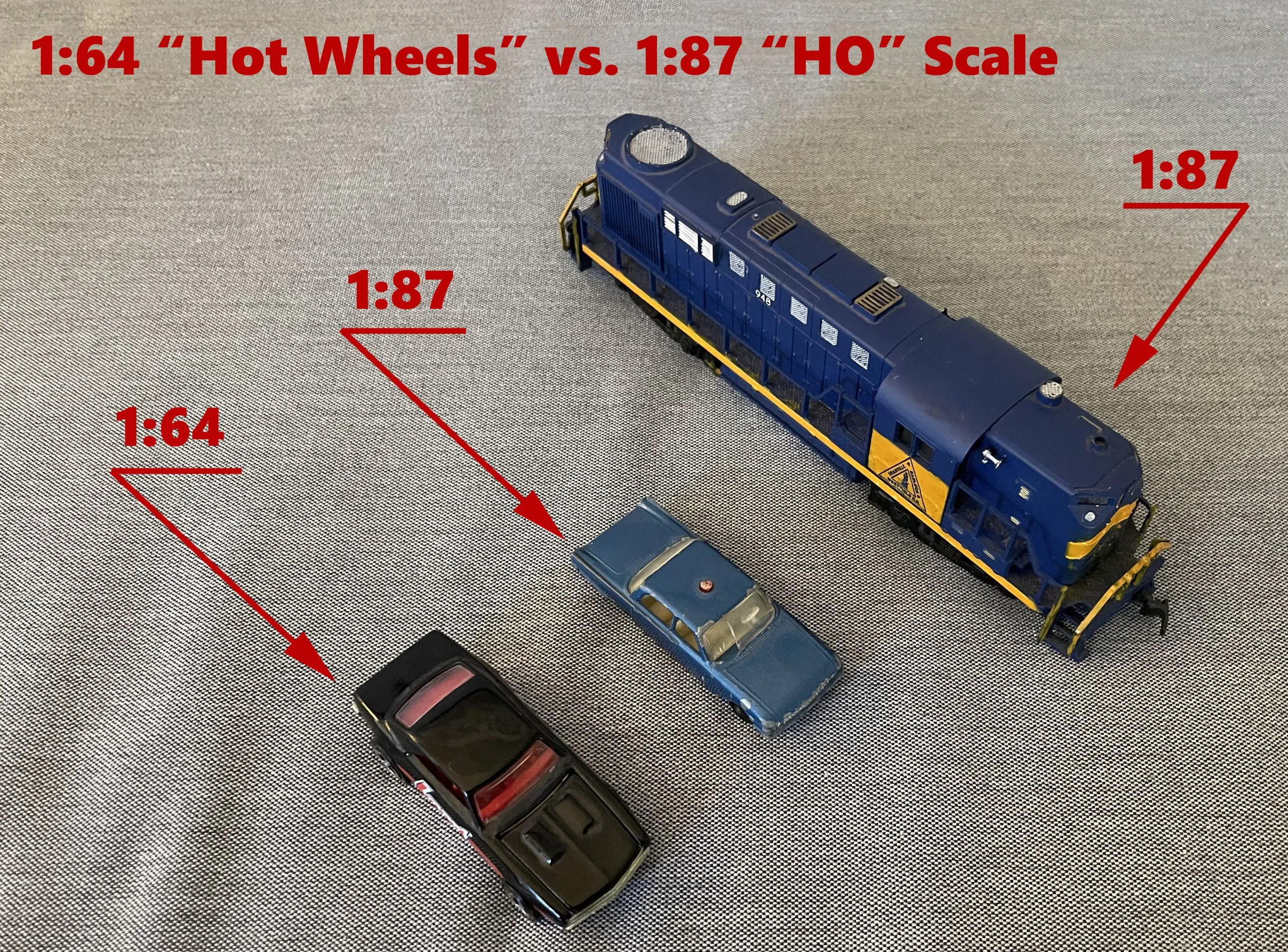
So, you’re diving into the exciting world of diecast model cars, trucks, or even planes? Awesome! But you’ve probably noticed those strange numbers – like 1:18, 1:24, 1:64 – plastered all over the packaging. What do they actually mean? They’re the scale, and it simply shows the ratio between the model’s size and the real-life thing. In simpler terms, it’s a comparison showing how much smaller your tiny treasure is than the real deal.
Understanding scale is key to choosing the right model for you. Do you want something small enough to fit on your desk or a big, impressive showpiece? The scale tells you precisely that. The lower the second number in the ratio, the larger the model will be. A 1:18 model is significantly larger than a 1:64 one, for instance.
Common Diecast Scales Explained
Let’s dive into some of the most common diecast scales you’ll encounter. We’ll discuss their typical sizes and what they’re best for.
- 1:64: These are your very common, smaller models, often found in sets or blind boxes. They are excellent for large collections, fitting easily onto shelves or display cases.
- 1:43: A popular middle ground, offering a good balance between detail and size. They show more detail than smaller scales, while still being relatively compact.
- 1:24: These are substantial models, really allowing you to appreciate intricate detailing and the model’s features. They require more display space, though.
- 1:18: These are some of the largest mass-produced diecast models you’ll find, great for collectors who want highly detailed and sizable pieces. These often have opening parts and better detailing.
- 1:12: These are really large, highly detailed models. They’re less common but are impressive collector’s items.
Remember, these are just general guidelines. There can be slight variations between manufacturers and specific model designs. Always check the dimensions listed in the product description if you need precise measurements.
Why Scale Matters
Choosing the right scale isn’t just about size; it also impacts detail and cost. Smaller scale models (like 1:64) are typically cheaper and more readily available, but their detail will be less refined than larger ones. Larger scales (1:18 or 1:12) usually boast incredible detail but come with a higher price tag and need more storage space.
Think about where you’ll display your models. A cramped apartment might not be ideal for a collection of 1:18 models, while a large shelf might feel empty with only a few 1:64s.
Beyond the Numbers: Other Factors to Consider
While the scale is crucial, it’s not the only thing to think about. The manufacturer’s reputation is important. Some companies are known for superior detailing and quality, even in smaller scales.
Also consider the material. Some models use higher-quality materials and finishes than others, impacting both the look and longevity of your piece.
Finally, think about features. Do you want opening doors, hoods, and trunks? Some models offer more interactive elements than others, enhancing your overall experience.


With this knowledge in hand, you’re ready to confidently navigate the world of diecast models. Remember to consider your budget, available space, and desired level of detail when choosing the perfect scale for you.
Happy collecting!