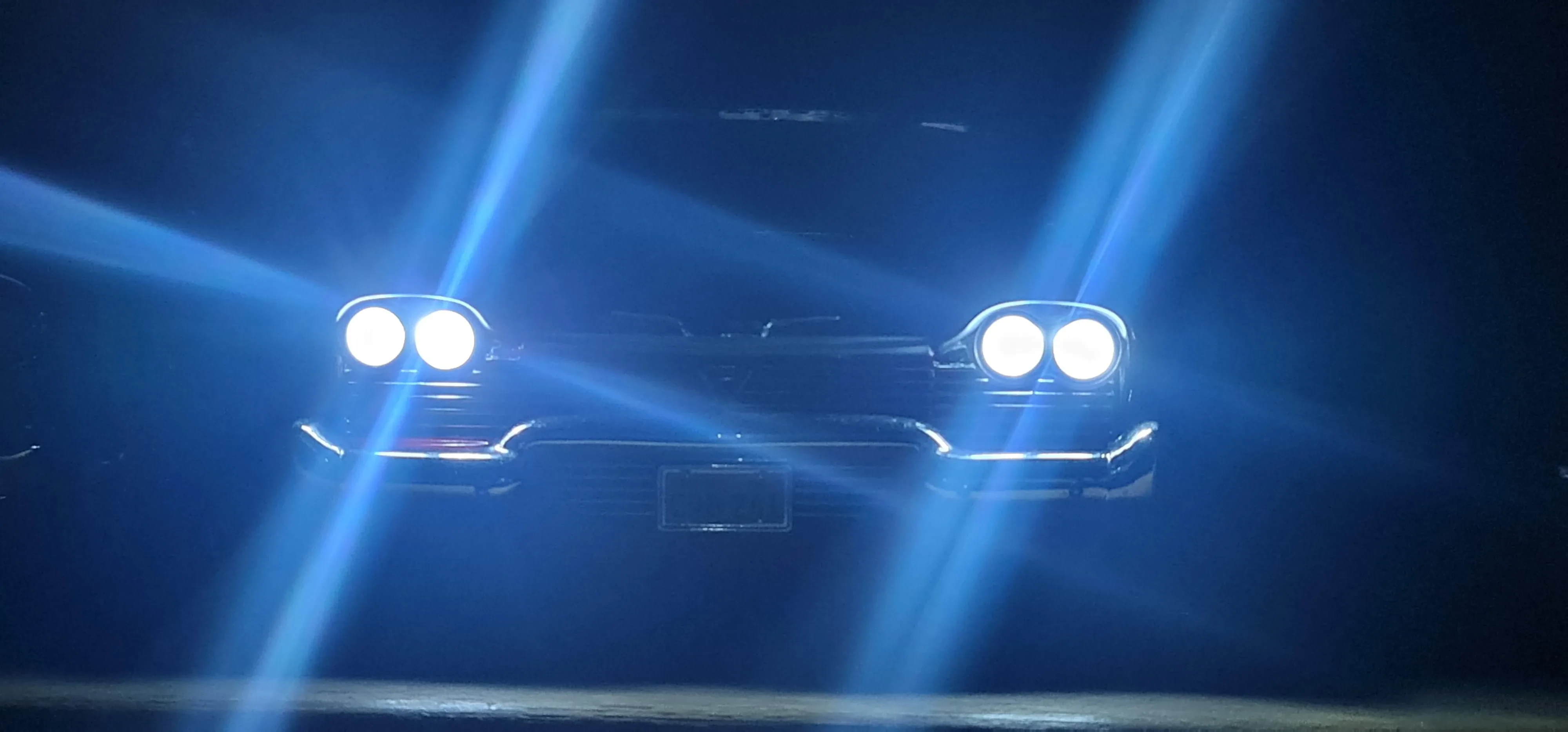
So, you’ve heard the term ‘diecast’ thrown around, maybe while browsing online shops or visiting a toy store. But what exactly does it mean? Simply put, diecast refers to a metal casting process used to create incredibly detailed miniature models of vehicles, airplanes, and even some fictional machines. These aren’t your flimsy plastic toys; diecast models are usually made from zinc, tin, or other metal alloys, giving them a hefty feel and a surprisingly realistic look.
The ‘diecasting’ process is pretty cool. Molten metal is injected under high pressure into a metal mold. Once cooled, the metal takes the shape of the mold, creating a precise replica. That’s how those intricate details, like headlights, grilles, and even tiny wipers, are formed. The molds themselves are exceptionally detailed, costing a lot of money to create for that perfect miniature.

After the casting process, the models often undergo a series of finishing steps, which can dramatically impact their quality and price. Some models are simply painted and left as-is, while others receive detailed paint jobs, tampo printing (like the decals on real cars), and even interior detailing. This is why you’ll find such a wide variation in price points for diecast models.
One of the key features that defines a diecast model is its scale. This refers to the ratio between the size of the model and the size of the real-life vehicle. Popular scales include 1:18, 1:24, 1:43, and 1:64. A 1:18 scale model, for instance, means that the model is 1/18th the size of the actual vehicle. Naturally, larger scales typically mean more detail and a higher price tag.

The beauty of diecast models lies in their detail. Depending on the manufacturer and price range, you might find features like opening doors, hoods, and trunks; realistic tire treads; and even functioning suspension (though that’s more common in higher-end models). Some manufacturers even go above and beyond with intricate engine detailing, functioning steering, and surprisingly accurate interiors.
Beyond the technical aspects, what truly makes diecast models special is their appeal to collectors. People collect diecast models for various reasons—nostalgia, a love for specific vehicles, or simply the sheer joy of owning a miniature representation of something they admire. Some collectors are incredibly meticulous, only acquiring models in pristine condition; while others are happy to have a large, diverse collection, regardless of condition.
The world of diecast collecting is vast and varied. Certain manufacturers have gained legendary status for their quality and accuracy. Some brands are known for producing high-end, extremely detailed models, while others cater to more casual collectors with affordable options. Researching different brands and scales will help you find the perfect diecast model for you.
Popular Diecast Manufacturers in 2024
- Hot Wheels
- Matchbox
- Greenlight
- Autoart
- Kyosho
- Minichamps
Each of these manufacturers offers a unique range of models, scales, and price points. Hot Wheels and Matchbox are well known for their affordable, widely available models. Meanwhile, Autoart and Kyosho are renowned for their premium, highly detailed models, often featuring intricate engineering and a hefty price tag.
One thing to keep in mind is that diecast models can be quite fragile. Because they’re made of metal, they can get damaged if dropped or mishandled. Many collectors display their models in protective cases or on shelves to prevent damage, preserving the investment made in their prized possessions.
Finding and acquiring diecast models can be an adventure in itself. You can find them in toy stores, hobby shops, online marketplaces, and even at swap meets and conventions. Joining online communities and forums dedicated to diecast collecting can also help you learn more about the hobby and connect with fellow enthusiasts.
Whether you’re a seasoned collector or just starting out, the world of diecast models is sure to captivate you with its variety, detail, and the nostalgic appeal of owning a miniature piece of automotive or aviation history. So, take a dive into the world of tiny metal wonders – you might just find your next favorite hobby.

The value of diecast models can also fluctuate over time. Some rare or limited-edition models can become quite valuable, even decades after their release. This makes collecting diecast models not only a fun hobby but also a potential investment. However, remember that the value is impacted by factors like condition, rarity, and the overall popularity of the specific model.
So there you have it! A casual guide to understanding the world of diecast models. From the manufacturing process to the collecting community, this fascinating hobby offers a blend of artistry, engineering, and nostalgic appeal that’s hard to resist. Now go forth and collect!