So, you’re looking to buy a cool new toy car, or maybe you’re starting a collection. Fantastic! But then you hit a wall: diecast or plastic? It’s a question that plagues many a toy enthusiast. Both have their pros and cons, and the ‘best’ choice really depends on your needs and preferences.
What is Diecast?
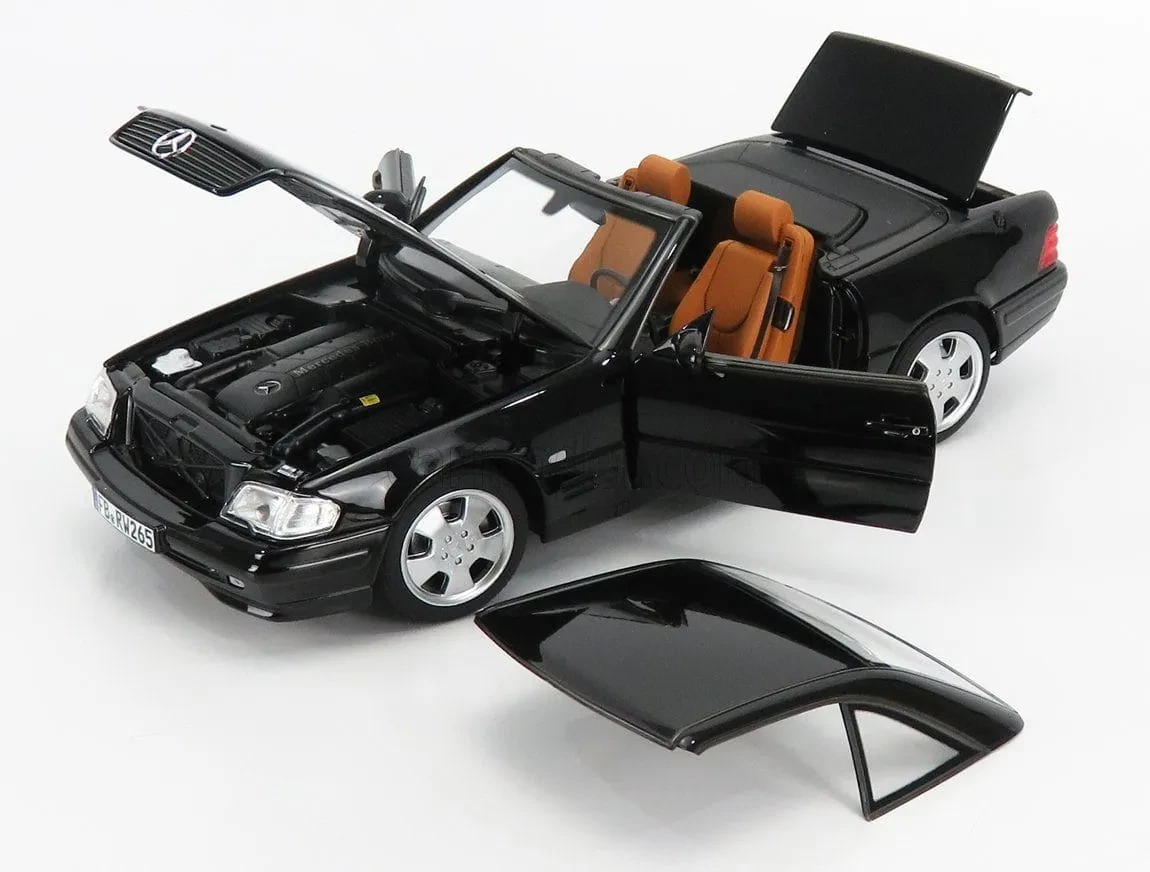
Diecast toys are made by injecting molten metal, usually zinc alloy, into a mold. This gives them a hefty weight and a realistic feel. They often feature incredible detail, from finely rendered grills to perfectly sized hubcaps. Think of those miniature replicas that feel almost as substantial as the real thing.

What is Plastic?
Plastic toys, on the other hand, are made from various types of plastic, often using injection molding. This makes them lighter, cheaper to produce, and available in a wider array of colors. They are frequently more durable against dropping and other impacts than diecast.

Diecast vs. Plastic: A Head-to-Head Comparison
Durability
Diecast models, while heavy, can be prone to chipping and dents from rough handling. Plastic toys, however, are generally more resilient to bumps and drops, making them better suited for younger children.
Weight and Feel
The weight of a diecast model is a major selling point for many collectors. That solid, substantial feeling adds to the sense of realism and value. Plastic toys, naturally, feel much lighter.
Detail and Realism
High-end diecast models often boast incredibly detailed features, making them highly sought after by collectors. While plastic toys can also be detailed, they generally don’t achieve the same level of realism as their diecast counterparts.

Price
Diecast models tend to be more expensive than plastic toys, particularly high-end collectible models. The cost of the materials and the manufacturing process contributes to the higher price tag.
Safety
Both diecast and plastic toys can pose safety risks depending on the age of the child and the design of the toy. Small parts on either can be choking hazards for toddlers.
Play Value
Plastic toys, due to their greater resilience, are usually better suited for rough and tumble play. Diecast models are better for display or careful handling.
The Verdict: Which is Right for You?
The best choice depends on your priorities. If you want realistic, collectible models, diecast is the way to go. If you’re looking for durable, affordable toys for younger children, plastic is likely a better option. And, of course, there’s no reason you can’t enjoy both!
- Consider the age of the child playing with the toy.
- Think about how much you are willing to spend.
- Decide if you are buying a toy for play or display.
