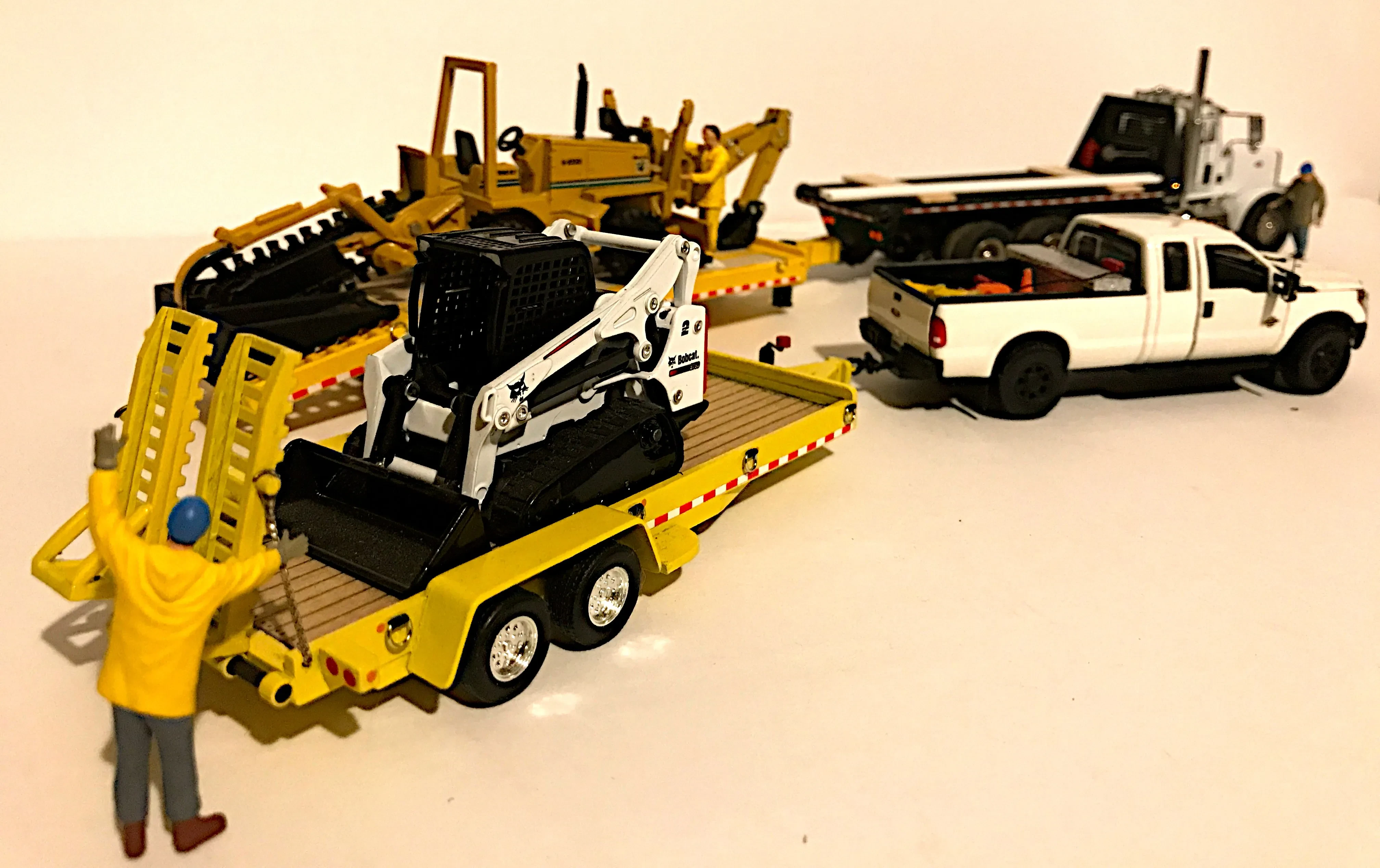
So, you’re fascinated by diecast models? Those little metal marvels, perfectly replicating everything from classic cars to modern aircraft? Let’s delve into the fascinating process behind their creation, focusing on the hypothetical ‘Kens Diecast’ company as our example.
The Design Phase: It All Starts on Paper (Or a Screen)
Before any metal is touched, the design process is crucial. Kens Diecast, like many other companies, would start with meticulous research. This involves studying blueprints, photographs, and even the real-life vehicles themselves to ensure accuracy. Designers utilize computer-aided design (CAD) software to create highly detailed 3D models, allowing for virtual manipulation and refinement before moving to the next stage.

Once the virtual model is perfect, it’s time for scale considerations. The model needs to be scaled down to the desired size, maintaining all proportions and details. This process requires precise calculations and adjustments to ensure the final product is both accurate and aesthetically pleasing.
Tooling Up: Creating the Masterpiece Molds
The next step is arguably the most critical: creating the molds. These molds are not your average baking molds; they are highly precise, intricate metal forms, often made from hardened steel or other durable materials. The process involves advanced machining techniques, ensuring the molds can withstand numerous castings.

Creating these molds is an extremely precise process and expensive, demanding skilled machinists and advanced equipment. Any slight imperfection in the mold will be replicated in every single diecast model produced from it.
Casting the Metal: Bringing the Design to Life
With the molds ready, the actual casting process begins. Molten metal, usually zinc alloy or other suitable material, is injected into the molds under high pressure. This forces the molten metal into every nook and cranny, creating a precise replica of the design. Once cooled, the metal parts are ejected from the molds.

This process is repeated thousands or even millions of times depending on the popularity of the model.
Finishing Touches: Adding Details and Refinement
The raw diecast parts are far from finished. They undergo a series of finishing processes, including cleaning, deburring (removing any excess metal), and painting. This can involve multiple layers of paint, often with intricate masking techniques to ensure sharp lines and accurate color reproduction.

Small details, such as headlights, taillights, and windows, are often added separately. These can be made from plastic or other materials and carefully glued or snapped into place.
Quality Control: Ensuring Perfection
Before the models reach the consumer, rigorous quality control checks are performed. Inspectors carefully examine each model for defects, ensuring that only the highest quality products are shipped. This ensures Kens Diecast maintains its reputation for excellence.

This is a simplified overview, of course. The actual process is far more intricate and involves numerous specialized techniques and equipment. But it offers a good glimpse into the craftsmanship and precision involved in creating those miniature metal masterpieces we all admire.
The Importance of Detail
Every aspect, from the shape of the tires to the placement of the windshield wipers, contributes to the overall realism. This attention to detail is what separates a great diecast model from an ordinary one.
- Precise metal casting
- High-quality paints and finishes
- Intricate detailing
- Realistic features
- Stringent quality control
So next time you hold a diecast model in your hand, remember the journey it took from a designer’s sketch to the final, gleaming product. It’s a testament to human ingenuity and the dedication to producing tiny works of art.