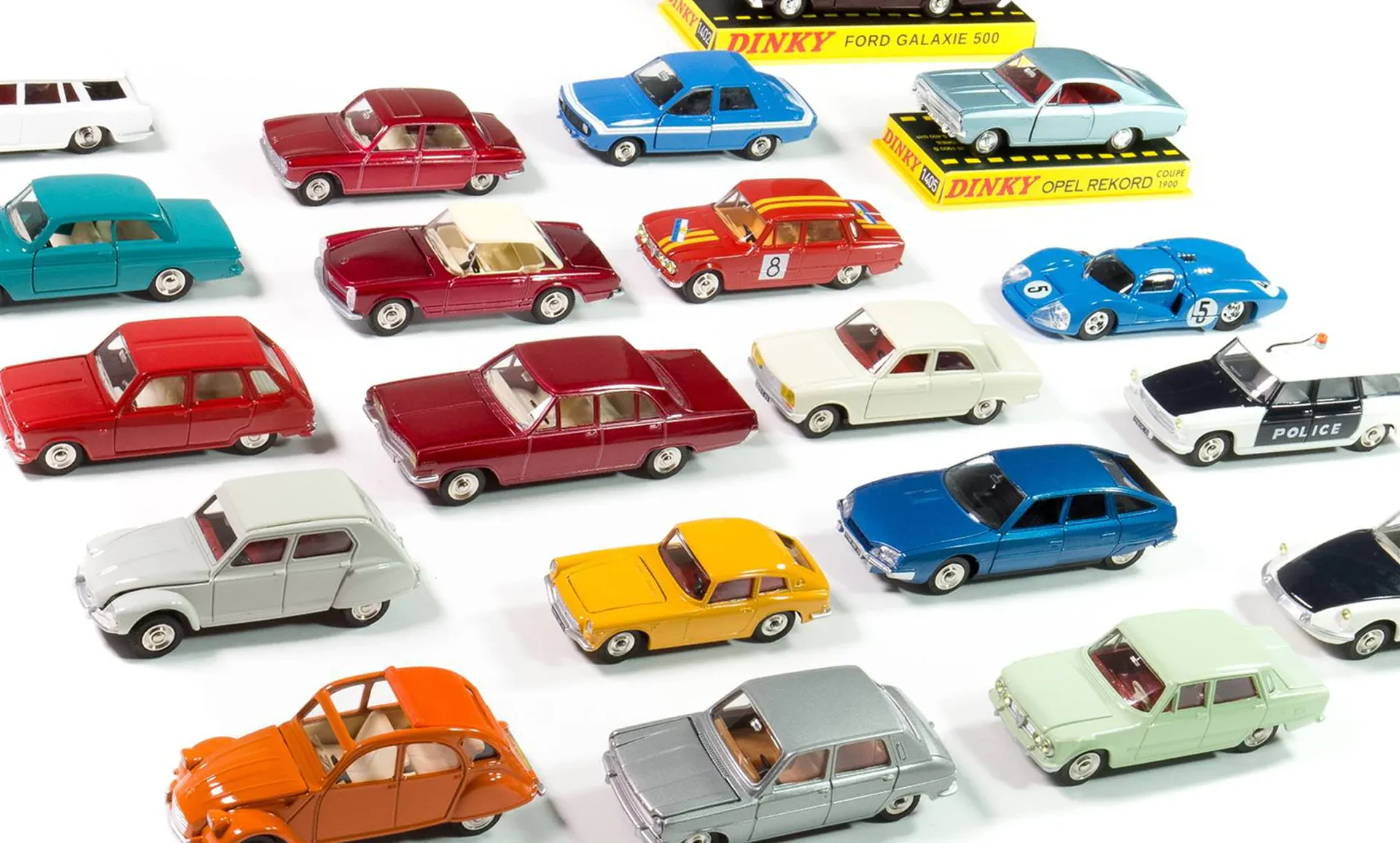
Want to take your diecast collection to the next level? Airbrushing is the way to go! It lets you add incredible detail and custom paint jobs that are far beyond what you can achieve with brushes alone. It might seem daunting at first, but with a little patience and practice, you’ll be amazed at what you can create.
Getting Started: The Essentials
Before you dive in, you’ll need some basic equipment. Don’t worry, you don’t need a fortune! A good starter kit will have everything you need.
- Airbrush (single-action is great for beginners)
- Compressor
- Airbrush cleaner
- Variety of acrylic paints (specifically designed for airbrushing)
- Masking tape and liquid mask
- Paint thinner
- Well-ventilated workspace

Choosing an airbrush can feel overwhelming, but single-action airbrushes are perfect for starting out. They’re simpler to use and easier to master the basics with. You’ll also need a compressor to provide the air pressure. Make sure to get one that’s compatible with your airbrush.
Prep Work: The Key to Success
Proper preparation is crucial for a smooth, professional-looking finish. This is where you’ll lay the foundation for your masterpiece.
- Clean the diecast model thoroughly. Remove any dirt, grease, or old paint.
- If there are any decals or stickers you want to keep, carefully mask them.
- If painting the whole model, you can prime it with a suitable primer to ensure better paint adhesion. This will help the paint stick to the surface and give it a smoother base.

Think of this stage as preparing a canvas for a painting. A clean and properly prepped surface is the key to a perfect paint job.
Mastering the Airbrush Technique
The key is to practice! Start with light coats and build up the color gradually. Holding the airbrush too close can result in runs and drips, while too far will result in a patchy finish.
Experiment with different distances and angles to find what works best for you. Remember, thin coats are your friend; thick coats will just cause problems.

Overlap your passes slightly to avoid streaking. Practice on scrap pieces of plastic to get a feel for the airbrush before tackling your precious diecast.
Adding Detail and Finishing Touches
Once your base coat is complete, you can add details. Masking tape is your new best friend! It allows you to create sharp lines and precise details.
Liquid masking is a useful technique for more complex designs. It works similarly to masking tape, but it can be applied to smaller and more intricate areas.
After painting, apply a clear coat to protect your work and give it a glossy or matte finish depending on your preference. This is the final touch that will make your custom diecast pop.

And there you have it! With a bit of practice, you can transform your diecast collection into stunning, unique works of art. Remember to have fun and enjoy the process!