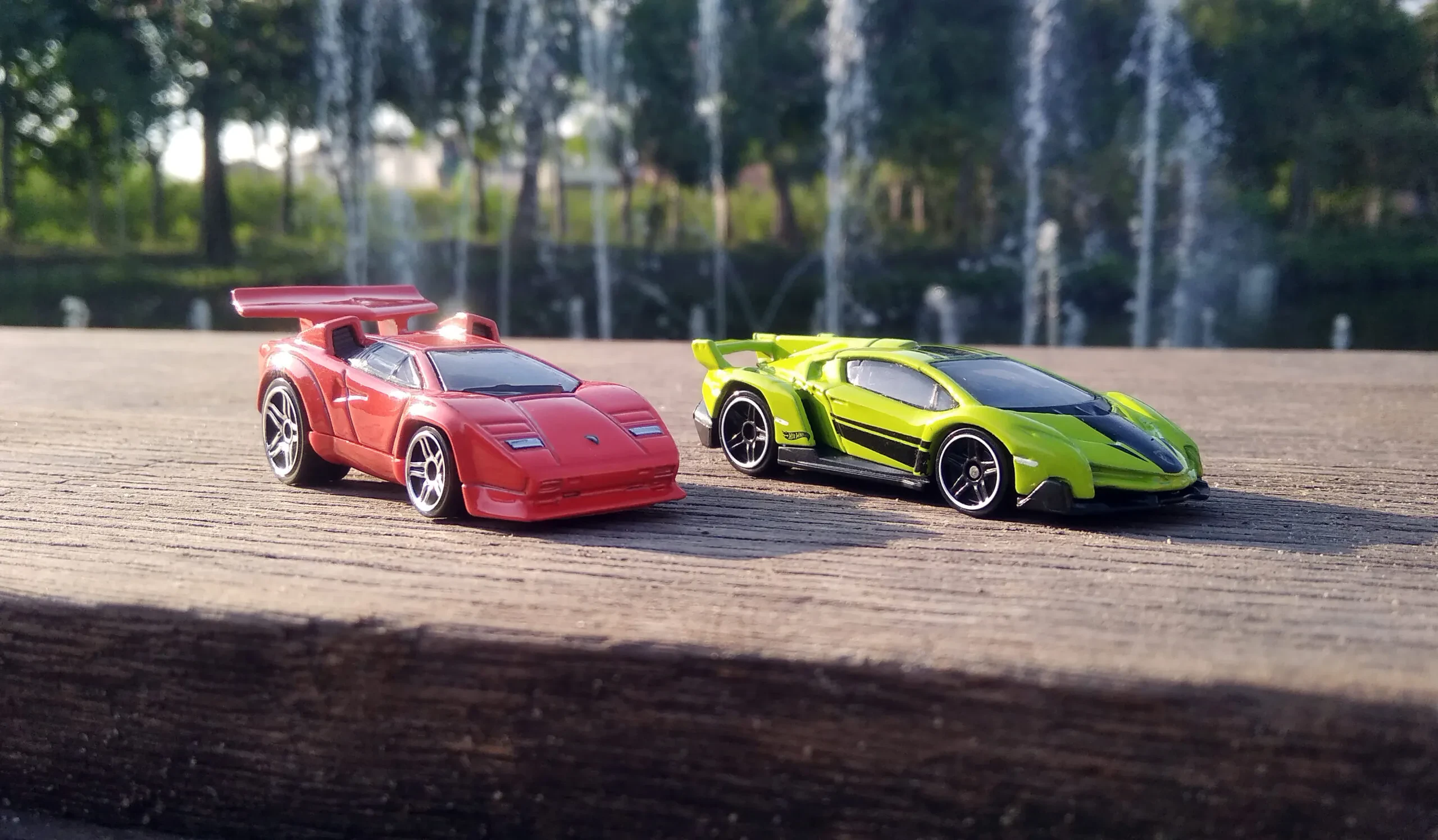
So, you’re curious about making diecast model cars? It’s a more involved process than you might think, but incredibly rewarding. It’s not something you can easily whip up in your kitchen, but understanding the steps involved is fascinating.
The Design Phase: Bringing Your Vision to Life
It all starts with a design. This usually involves detailed 3D modeling software, creating a virtual representation of your car. Every curve, every detail, needs to be painstakingly crafted. Think about the real-world car you’re modeling; what makes it unique? Then, translate those features into your digital design. This step is crucial for the overall accuracy and appeal of your final product.

Choosing Your Scale
Before you even start designing, you need to choose a scale. Popular scales include 1:18, 1:24, and 1:64. The scale determines the size of your model and influences the level of detail you can include. Smaller scales obviously require less detailed work, but a 1:18 scale model will show off your skills better!
Creating the Master Mold
Once your digital design is perfect, it’s time to create a master mold. This is usually done using a process called CNC machining, where a computer-controlled machine precisely carves the design from a block of metal or resin. This master mold will be used to create the molds for mass production – or for your small batch of amazing models!

The Diecasting Process: Pouring Metal Magic
This is where the magic happens. Molten metal, usually zinc alloy, is injected into the mold under high pressure. This creates a near-perfect replica of your design. The alloy cools and solidifies rapidly, resulting in a highly detailed body.

Adding the Details: Wheels, Windows, and More
After the body is cast, it’s time for the finishing touches. This often involves adding smaller details like wheels, windows, headlights, and other features. Many of these are also made using small scale injection molding or even hand-assembled.

Painting and Finishing: Bringing it All Together
Painting is a crucial step. Depending on your desired level of realism, this can involve multiple layers of paint, decals, and clear coats. The paint needs to be applied evenly, and any imperfections need to be carefully corrected.
Quality Control: Ensuring Perfection
Before packaging, each model undergoes a rigorous quality control inspection. Any defects are identified and corrected, ensuring that only the highest quality models reach the customer.

Packaging and Distribution: Getting Your Model to Collectors
Finally, the finished models are carefully packaged to protect them during shipping and distribution. This ensures that they arrive at their destination in perfect condition.
- Design and 3D Modeling
- Master Mold Creation
- Metal Diecasting
- Detailing and Assembly
- Painting and Finishing
- Quality Control
- Packaging and Distribution
While this is a simplified overview, it shows the complex journey of a diecast model car. It’s a testament to engineering and artistry, resulting in those miniature works of art we all enjoy collecting!