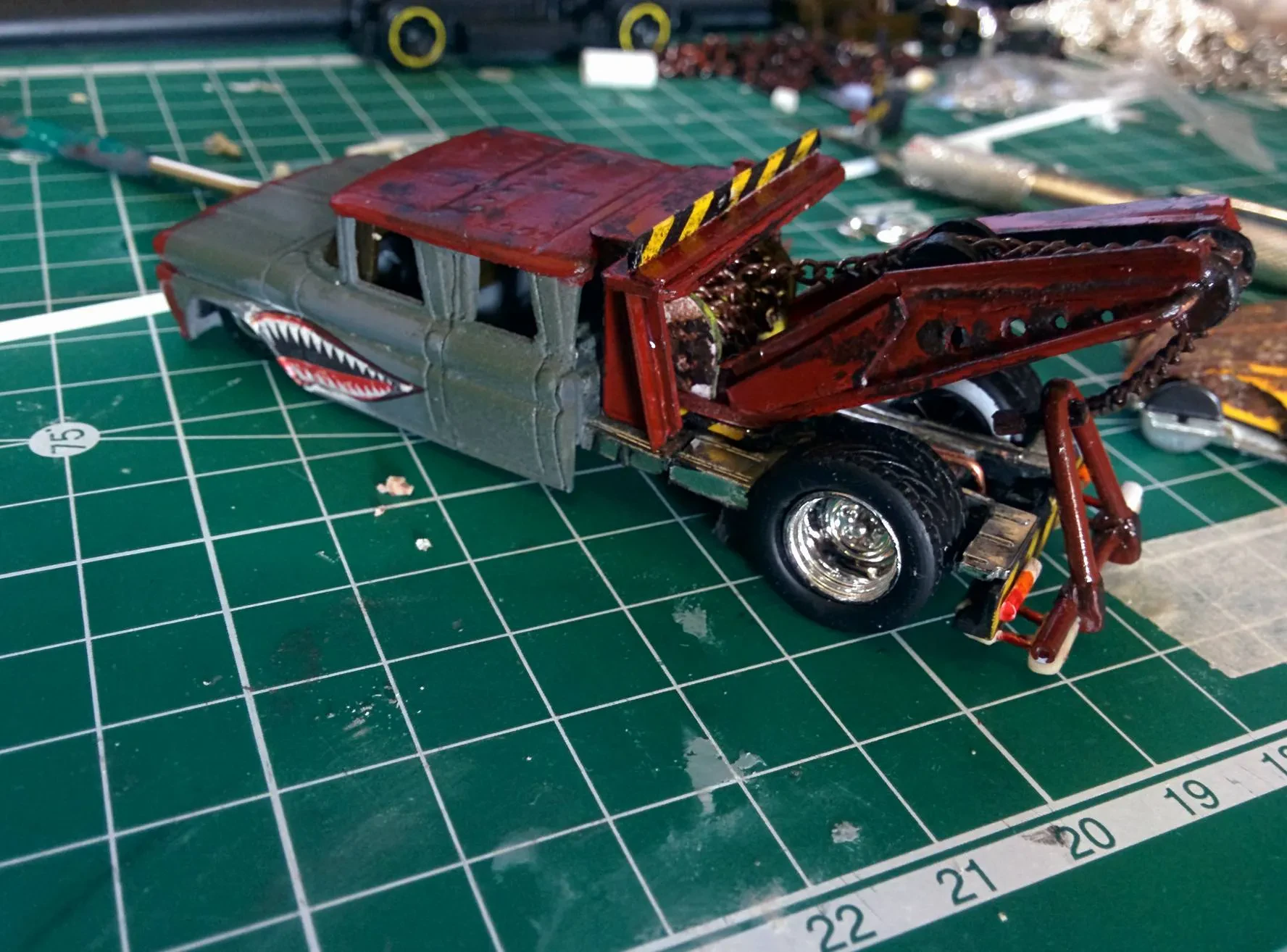
Ever wanted to create your own miniature car replicas? Making your own diecast cars might sound intimidating, but it’s a surprisingly achievable project with some patience and the right tools. This guide will take you through the whole process, making it easy to understand, even if you’re a complete beginner.
Step 1: Design and Planning
Before you jump into making, you need a plan! Start by sketching your dream car. Think about the body style, unique features, and overall design. You can even use existing car models as inspiration, adding your own creative twists. Consider if you want a realistic replica or a more fantastical design.

Once you’ve finalized your design, create a scale model. This could be a simple 3D model using clay or even cardboard. This helps you visualize the proportions and identify any potential issues before committing to the final material.
Step 2: Choosing Your Materials
Creating a diecast car involves specific materials. The most common choice for the body is a metal alloy like white metal or zinc alloy, which are easily cast using a mold. These are readily available online or at hobby stores.
You’ll also need a mold-making material. Silicone rubber is a popular choice as it’s flexible, durable, and relatively easy to work with. You will also need various paints, clear coat, and small details such as wheels and interior components.

Step 3: Mold Making
This is where your scale model comes in handy! You’ll use it to create a mold. First, carefully prepare your model by smoothing out any imperfections. Then, create a mold box around the model, ensuring it’s securely in place. Mix the silicone rubber according to the manufacturer’s instructions and carefully pour it over your model, filling the mold box completely.

Let the silicone cure completely according to the instructions; this might take several hours or even overnight. Once cured, carefully remove the model from the mold. You now have a reusable mold for your diecast car!
Step 4: Casting the Metal Body
Melting your chosen metal alloy requires a controlled environment and safety precautions. Use appropriate protective gear like gloves and eye protection. Carefully melt the alloy following the safety guidelines for your chosen metal. Once melted, slowly pour the molten metal into the mold. Allow the metal to cool and solidify completely.

After cooling, carefully remove the metal casting from the mold. You might need to gently tap it out. You’ll likely need to clean up any excess metal or imperfections using files and sandpaper.
Step 5: Painting and Detailing
Once the body is ready, it’s time for the fun part: painting! Prepare the surface by cleaning and priming it. Apply several thin coats of paint, allowing each coat to dry completely before applying the next. Use various techniques to achieve the desired finish, whether it’s a solid color or a more complex design.

Add details such as decals, headlights, and taillights. Attach the wheels, windows and other small parts. A final clear coat will protect the paint and provide a glossy finish. Let it dry thoroughly.
Step 6: Finishing Touches
Once everything is dry, add any final touches. You can add weathering effects for a more realistic look, or add custom details to make your car unique. Consider adding a base or display case for your finished masterpiece.

Creating diecast cars is a rewarding process that combines artistic expression with technical skill. Don’t be afraid to experiment and make mistakes—that’s part of the learning process! With time and practice, you’ll be crafting stunning miniature replicas.
- Always prioritize safety when working with molten metal.
- Use appropriate ventilation when working with paints and solvents.
- Practice your painting techniques on scrap materials before working on your final piece.
- Be patient and take your time. Rushing the process can lead to mistakes.
- Have fun and enjoy the creative process!