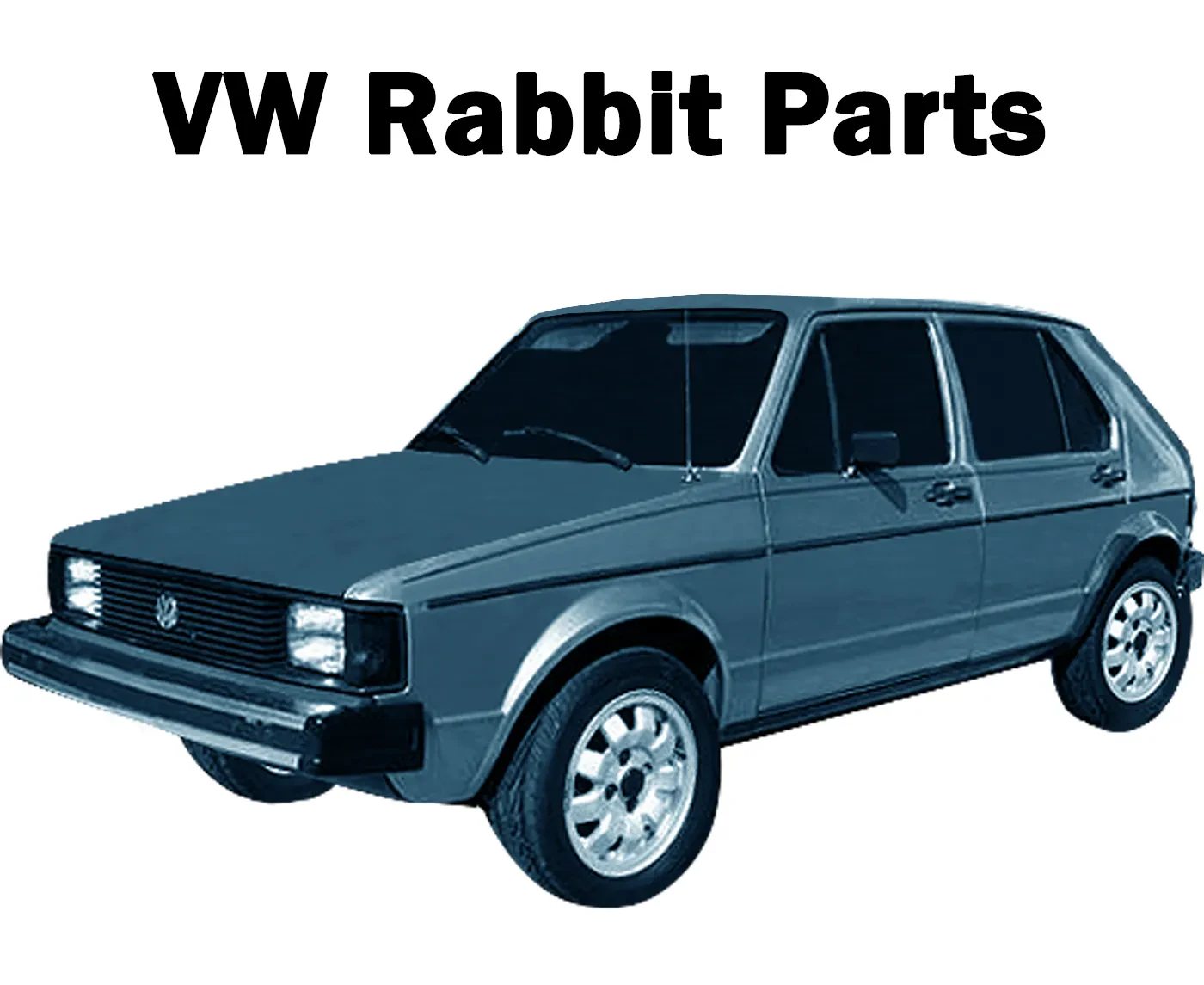
The Volkswagen Rabbit, a car that defined an era, has also become a beloved subject for diecast model car manufacturers. These miniature versions capture the charm and simplicity of the original, offering collectors a tangible piece of automotive history. But with so many variations out there, it can be a bit overwhelming to know where to start.
This guide will walk you through everything you need to know about VW Rabbit diecast models, from identifying different makes and models to understanding what factors influence their value.
A Brief History of the VW Rabbit
The Volkswagen Rabbit (known as the Golf in many parts of the world) first hit the streets in 1974, quickly becoming a symbol of practicality and affordability. Its iconic design, front-wheel drive, and fuel efficiency made it a huge success. This legacy has translated into a strong demand for diecast replicas.
Over the years, the Rabbit underwent several design changes, resulting in various generations and special editions, each with its own unique features. These subtle differences are important to note when collecting diecast models.
Popular Diecast Manufacturers
Several companies produce high-quality VW Rabbit diecast models. Some of the most popular and well-regarded include Matchbox, Hot Wheels, and Autoart. Each manufacturer has its own style and level of detail, catering to different collector preferences and budgets.
Matchbox, for example, often produces smaller, more affordable models, perfect for beginners or those looking to build a large collection. Autoart, on the other hand, is known for its highly detailed, larger-scale models, often including features like opening doors and hoods. Hot Wheels, while primarily known for its more affordable models, also produces collector editions of the VW Rabbit.
Factors Affecting Value
The value of a VW Rabbit diecast model depends on several factors. Rarity is a key player—limited edition models or those from discontinued production runs are often worth more. The condition of the model is another crucial element. A model in mint condition, in its original packaging, will command a higher price than one with damage or missing parts.
The scale of the model also matters. Larger-scale models, generally 1:18 or 1:24, tend to have higher detail and command higher prices than smaller-scale models, typically 1:64.
Finally, the manufacturer’s reputation plays a role. Models from well-known manufacturers with a history of high-quality production are usually more valuable.
Where to Find VW Rabbit Diecast Models
You can find VW Rabbit diecast models in various places. Online marketplaces like eBay and specialized diecast websites are great resources for finding both common and rare models. Toy stores, hobby shops, and antique stores may also have them in stock.
Remember to always carefully examine the model’s condition and description before making a purchase.
Building Your Collection
Building a VW Rabbit diecast collection can be a fun and rewarding hobby. Start by identifying your favorite generations or special editions. You can focus on a specific manufacturer or scale, or you can collect models from various manufacturers and scales. The best approach depends entirely on your preferences and budget.
Remember to store your models properly to protect them from damage and preserve their value. Keep them in a cool, dry place, away from direct sunlight.


- Research different manufacturers and their offerings.
- Set a budget and stick to it.
- Inspect models carefully before buying.
- Store your collection properly to prevent damage.
- Join online collector communities for advice and information.